




For years, organisations approached technology leadership in a fairly predictable way. When strategic expertise was needed, they hired permanent architects, principal engineers or technology leaders to guide major programmes and oversee critical decisions.
As technology environments become more complex and transformation programmes accelerate, many organisations are discovering that they need flexible access to senior expertise rather than maintaining every capability in-house. This shift is driving growing interest in Technical Authority-as-a-Service (TAaaS), a model that provides on-demand access to experienced technology leaders, architects and specialists when organisations need them most.
Moving Beyond Traditional Hiring Models
The traditional response to capability gaps has been recruitment. While hiring remains important, it is becoming increasingly difficult to build and maintain deep expertise across cloud architecture, cybersecurity, data strategy, governance, AI readiness and enterprise architecture simultaneously.
Specialist talent is expensive, difficult to recruit and often required only during specific phases of a programme. Technical Authority-as-a-Service offers a different approach.
Rather than hiring permanent resources for every strategic requirement, organisations can engage experienced experts when specific challenges arise. This provides access to senior-level guidance without the long-term costs and commitments associated with permanent recruitment. The model enables organisations to scale expertise according to business needs rather than organisational structure.
The Value of Independent Technical Oversight
One of the most significant benefits of TAaaS is independence. Internal teams play a critical role in delivering technology initiatives, but they are often closely connected to existing systems, processes and assumptions. External technical authorities bring an objective perspective that can help organisations identify risks, challenge decisions and validate architectural approaches.
Independent expertise becomes particularly valuable during large transformation programmes, mergers, cloud migrations and major technology investments. In these situations, leadership teams benefit from having a trusted advisor capable of evaluating decisions through both a technical and strategic lens.
The goal is not to replace internal capability. The goal is to complement it.
Additionally, strong governance is increasingly recognised as a key factor in successful transformation programmes. Technical authorities help establish architectural principles, evaluate technology choices, review solution designs and ensure alignment between business objectives and technology investments.
This creates greater transparency around decision-making and reduces the likelihood of costly course corrections later in the programme lifecycle. When organisations have access to experienced technical leadership, they are often able to make decisions more quickly and with greater confidence.
A Flexible Model for a Fast-Changing World
The rise of Technical Authority-as-a-Service reflects a broader shift in how organisations think about expertise.
Business leaders increasingly recognise that success is not determined by the size of a technology team. It is determined by the ability to access the right expertise at the right time. As technology complexity continues to grow, the demand for strategic guidance, architectural oversight, and independent technical leadership is unlikely to diminish.
For many organisations, TAaaS is providing a practical solution: the ability to access high-value expertise when it matters most, without the overhead of building and maintaining large specialist teams.
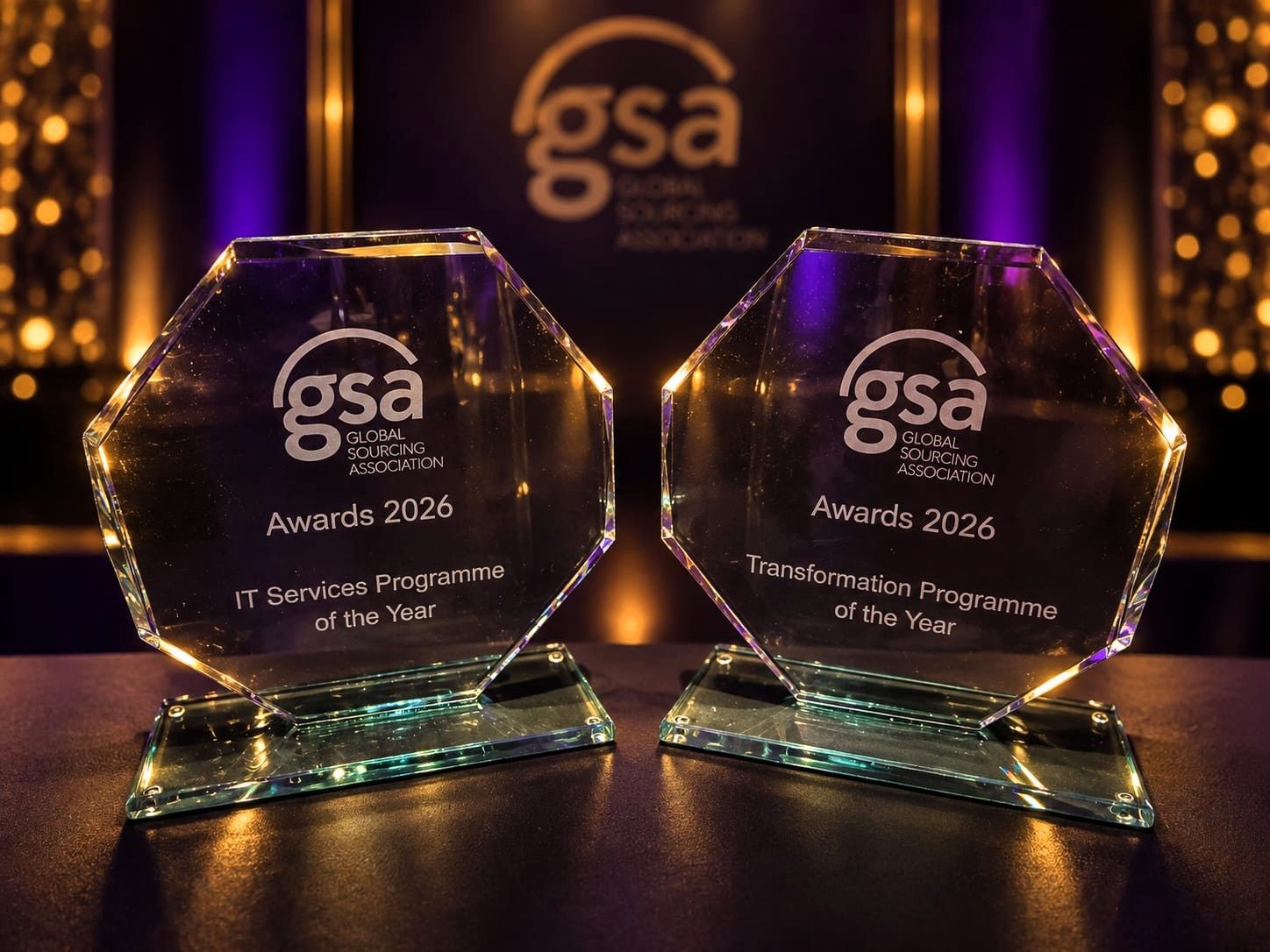
Photo courtesy: Quilia