



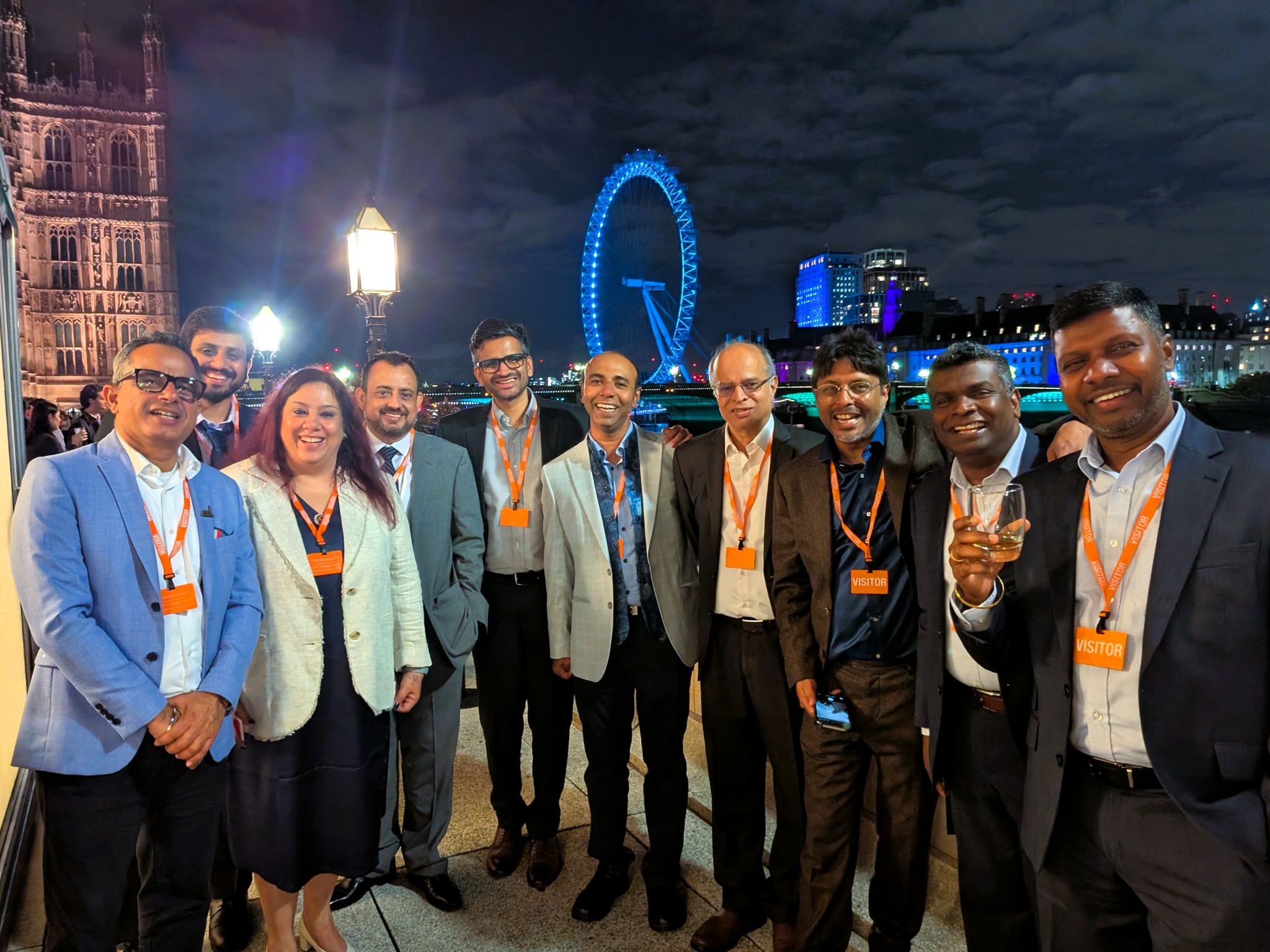
The view across the Thames was spectacular. The London Eye stood illuminated against the evening skyline. Around the table, conversations flowed as freely as the refreshments, with technology leaders, business decision makers, architects, and security experts exchanging ideas on one of the most pressing questions facing organisations today: Are enterprises truly ready for AI?
That question was at the heart of SimpleXConnect 2026, held at the iconic House of Commons in London. Our annual roundtable brought together diverse perspectives from across industries to have honest conversations about technology’s biggest opportunities and challenges.
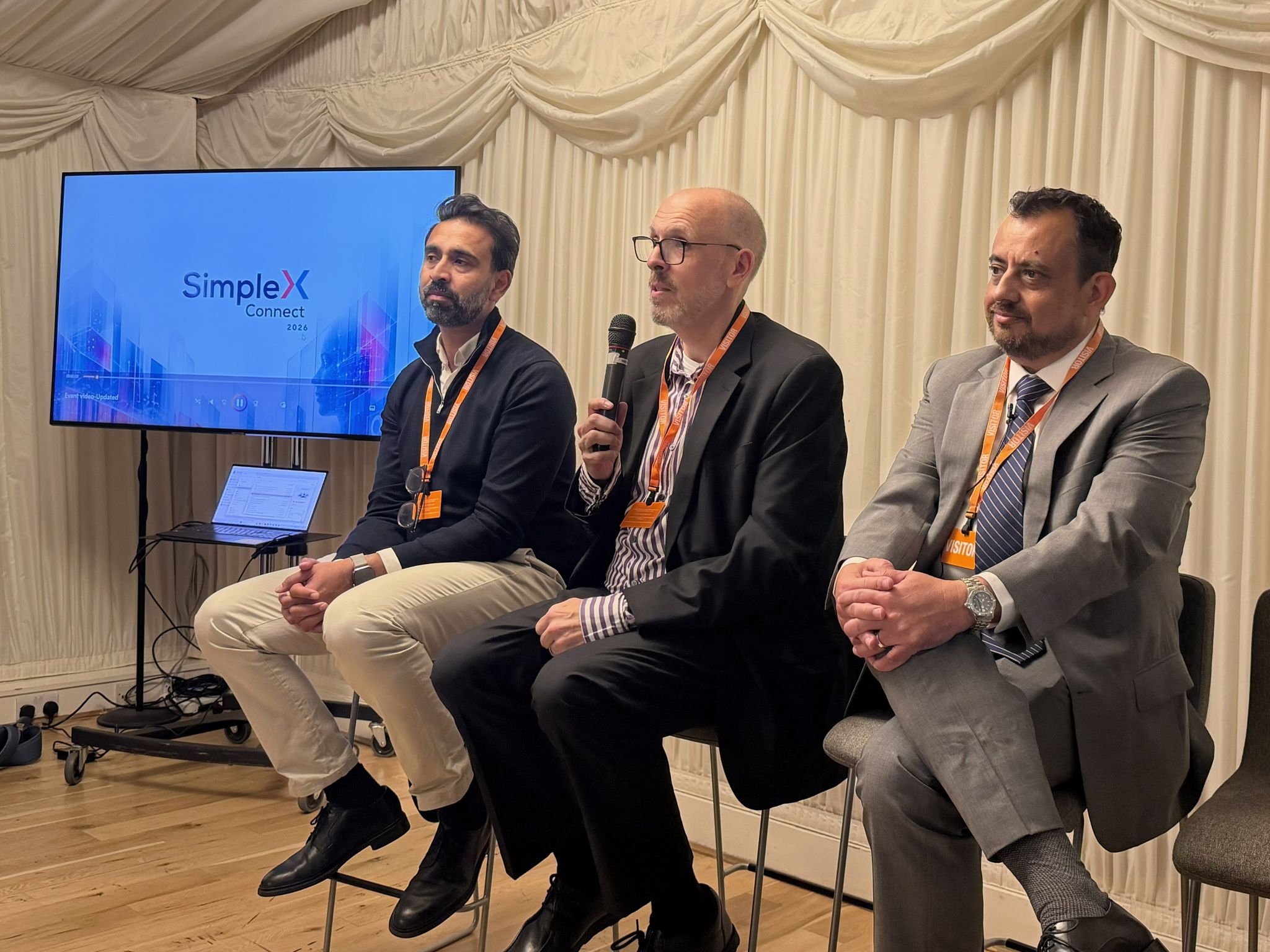
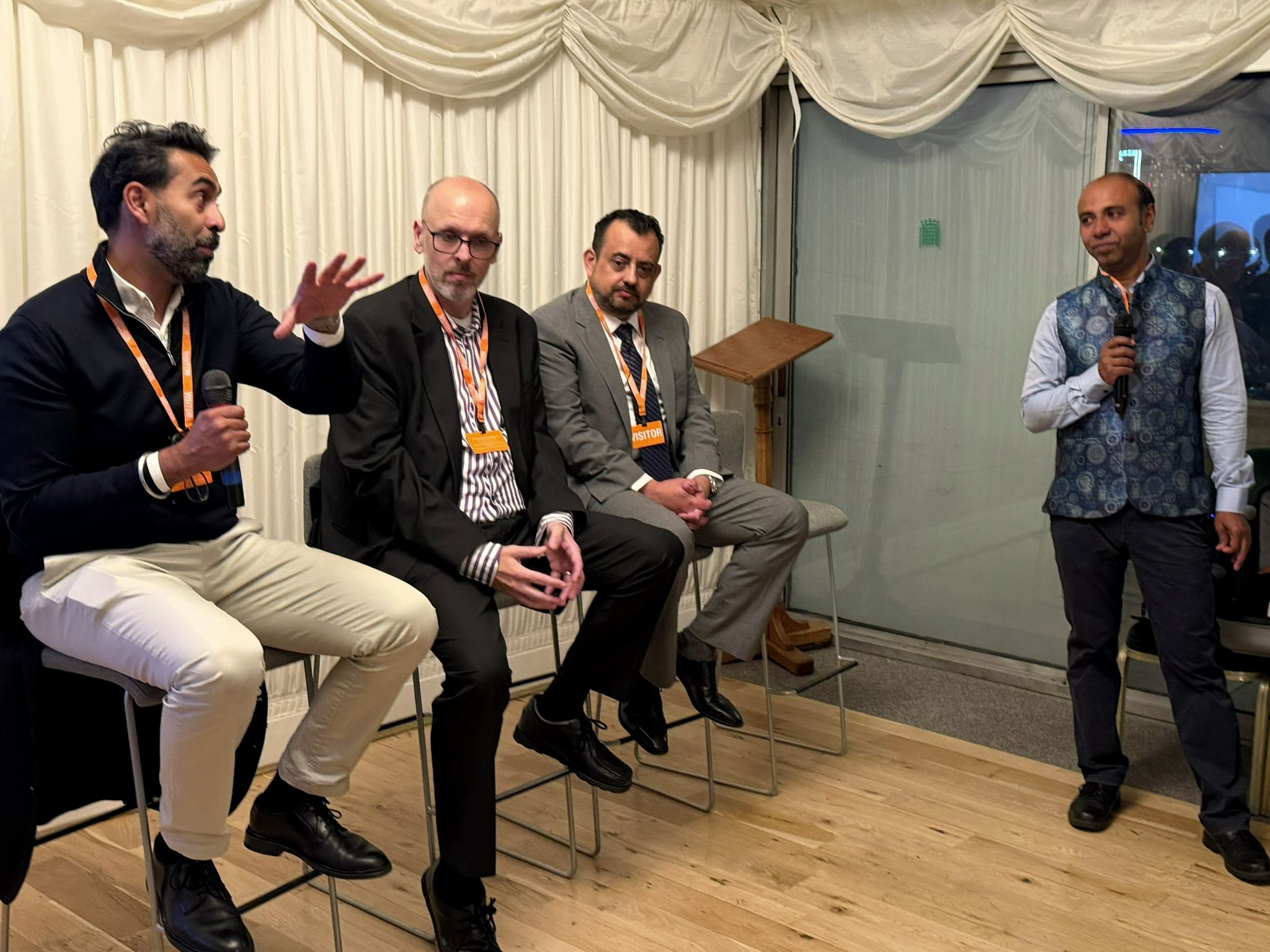
Moderated by Bibhas Roy, the panel brought together experienced technology leaders, including Gurpreet Muctor, Helder Meneses, and Anthony Smith, to explore what organisations need beyond the technology itself to create sustainable AI success.

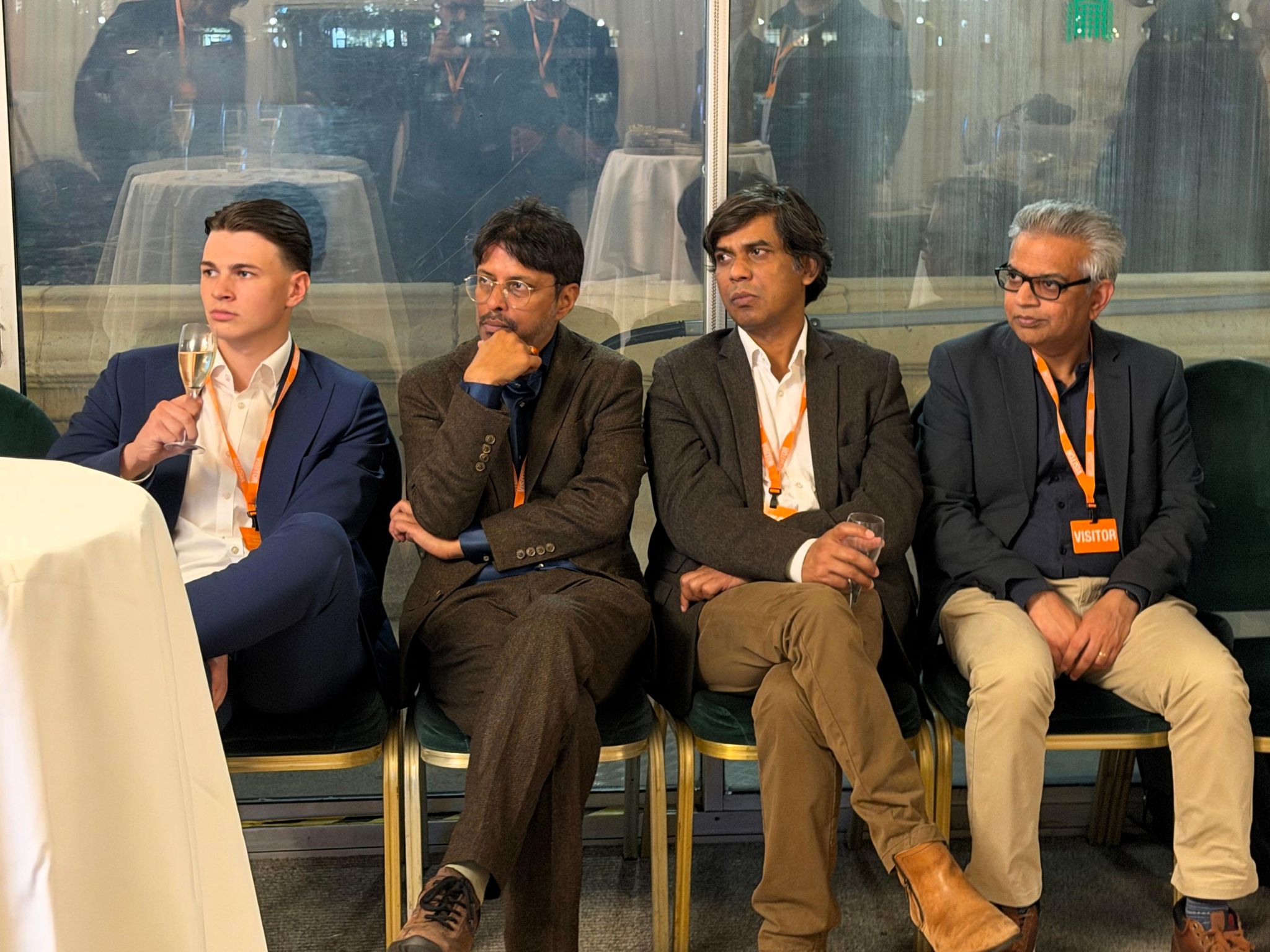
AI Adoption Is No Longer Just a Technology Challenge
One of the strongest themes to emerge from the evening was that AI readiness has become fundamentally a people challenge.
While many organisations would describe themselves as prepared for AI, the panel agreed that genuine readiness requires far more than access to the latest models and tools. Leadership commitment, employee confidence, organisational culture, and structured training all play a critical role in determining whether AI initiatives succeed. Gurpreet emphasised the importance of consciously building a culture of adoption with people at its heart.
The Future Will Not Be One Size Fits All
Another key discussion centred on the rapidly evolving AI ecosystem.
The panel noted that while today’s market is dominated by a handful of large foundation models, organisations are becoming increasingly sophisticated in how they evaluate and deploy AI solutions. Rather than relying on a single platform, enterprises are expected to adopt a “mix-and-match” approach, selecting models and capabilities suited to specific business outcomes and operational needs.
Anthony highlighted the importance of maintaining a clear focus on business value rather than technology for technology’s sake. AI initiatives should begin with a clear understanding of the friction being removed and the outcomes being improved. The goal is not simply automation, but enabling people to spend less time on repetitive work and more time creating meaningful business impact.
The discussion also touched on the current economics of AI. As model providers evolve their commercial models and market subsidies diminish, adoption strategies are likely to change.
Security, Governance, and Trust Must Be Designed In
Helder stressed that security is not only a technical consideration but also a people and culture challenge. The most effective governance frameworks combine robust technology controls with continuous awareness, education, and reminders about how sensitive and confidential information should be handled.
As AI becomes embedded in everyday workflows, organisations will need security and compliance measures that are built into their operating models from the start, rather than added later. Trust, transparency, and accountability will become increasingly important as enterprises expand their use of AI across critical business functions.
The Hidden Foundations: Data and Infrastructure
While much of the industry’s attention remains focused on models and applications, the conversation repeatedly returned to two often-overlooked foundations of AI success: data and infrastructure.
Without reliable data, effective governance, and resilient technology platforms, even the most sophisticated AI solutions struggle to deliver meaningful value.
The panel explored how organisations frequently underestimate the importance of these foundational investments. True AI readiness requires more than selecting a platform or deploying a chatbot. It requires establishing the underlying conditions that allow AI systems to operate effectively, securely, and at scale.
As AI moves from experimentation to enterprise reality, one thing became clear: readiness is not defined by access to technology alone. It is determined by an organisation’s ability to align people, culture, governance, data, and infrastructure around a shared vision for responsible innovation.
As always, SimpleXConnect was about more than the formal discussion.
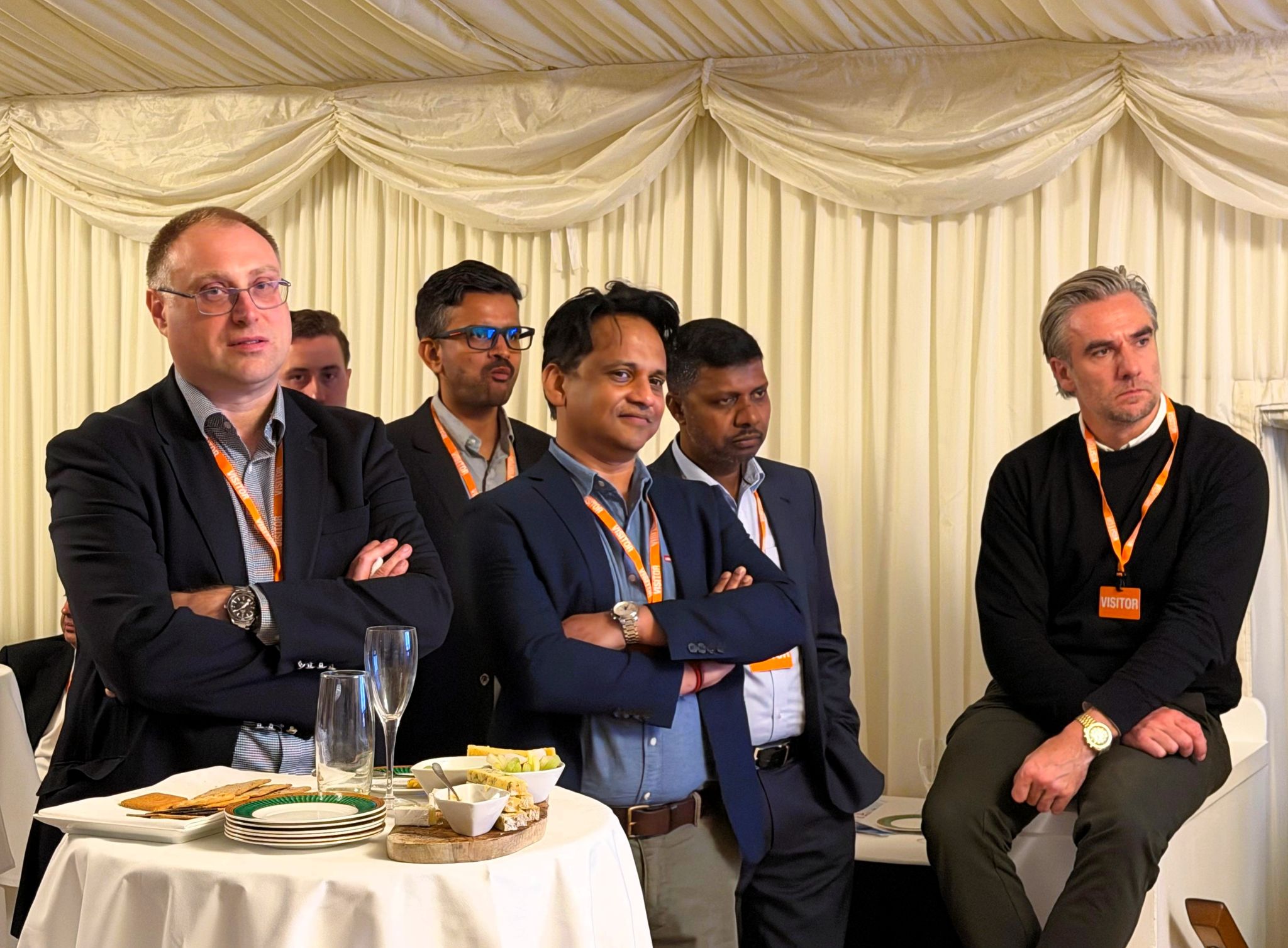
The evening’s roundtable setting encouraged genuine dialogue between experts, clients, partners, and technology leaders. Conversations continued long after the panel ended, with attendees sharing experiences, challenges, and opportunities over dinner while overlooking some of London’s most recognisable landmarks.
The combination of expert perspectives, practical insights, and meaningful connections is what continues to make SimpleXConnect special.