




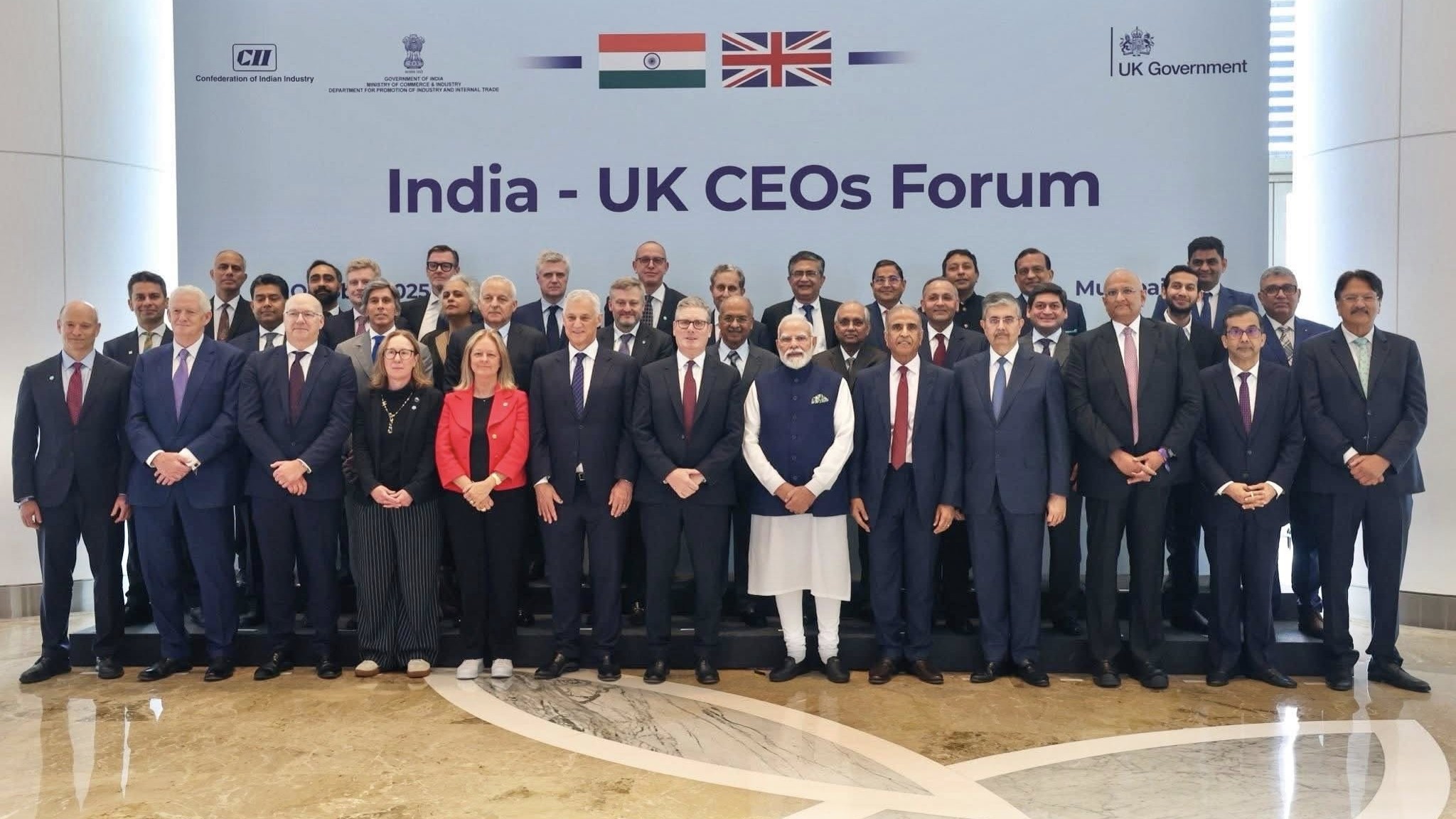
The UK–India trade deal arrives at a pivotal moment for both nations. The UK is sharpening its focus on high‑value digital services, cloud‑driven transformation, and data‑centric innovation. India continues to accelerate as a global technology leader, home to one of the world’s most sophisticated IT services ecosystems.
This agreement is a modern framework designed for a services‑led economy, and it lays the foundation for a powerful digital corridor between the two markets. For technology and IT services firms – Simplex Services included – it signals a shift in how cross‑border collaboration, delivery, and innovation will evolve in the decade ahead.
A Trade Deal Designed for the Digital Economy
At the heart of the agreement is a recognition that services will define the next phase of bilateral growth.
India’s digital economy is expanding at remarkable speed, and the deal supports smoother export of Indian digital services to the UK. In parallel, UK businesses gain more certainty and equal treatment when operating in India. This mutual recognition creates a balanced environment where India’s engineering scale and the UK’s transformation expertise can come together in more structured, predictable ways.
One of the most significant but often overlooked aspects of the deal is its emphasis on mobility. Modern technology delivery relies on hybrid teams, distributed expertise, and the ability to deploy specialists where they are needed. The improved mobility framework makes it easier for consultants, architects, and domain experts to work across borders without the administrative friction that has historically slowed down engagements.
For technology firms, this translates into faster project starts, smoother collaboration, and more flexibility in how delivery models are structured.
The agreement is intentionally SME‑friendly. Faster customs processing, clearer procedures, and support for electronic documentation reduce operational overheads for smaller technology firms. These changes make it easier to enter or scale in India, form partnerships, and onboard clients without the delays that often accompany cross‑border operations.

What This Means for Simplex Services
For Simplex Services, the implications are both strategic and immediate.
The company’s strengths – cloud modernisation, data governance, digital transformation, and managed services – align closely with the areas where UK expertise is in high demand within India’s enterprise and mid‑market segments. As Indian organisations modernise legacy systems, adopt cloud‑native architectures, and strengthen their data foundations, the appetite for UK‑style governance and transformation frameworks will only grow.
The deal also opens the door to deeper collaboration with Indian technology partners. Co‑delivery models that combine UK oversight with Indian engineering depth become easier to structure and scale.
Financial services – one of Simplex’s key verticals – stands out as a major opportunity. With the agreement introducing India’s first dedicated financial services chapter, UK firms gain clearer long‑term access to a market undergoing rapid digitalisation.
For the technology and services sector, this is a policy framework that genuinely aligns with the realities of digital transformation. For us at Simplex Services, it is an opportunity to lead — to help organisations on both sides of the corridor modernise, scale, and build resilient digital foundations for the future.